
Why Listening to Your Body Could Make or Break Your Training Camp
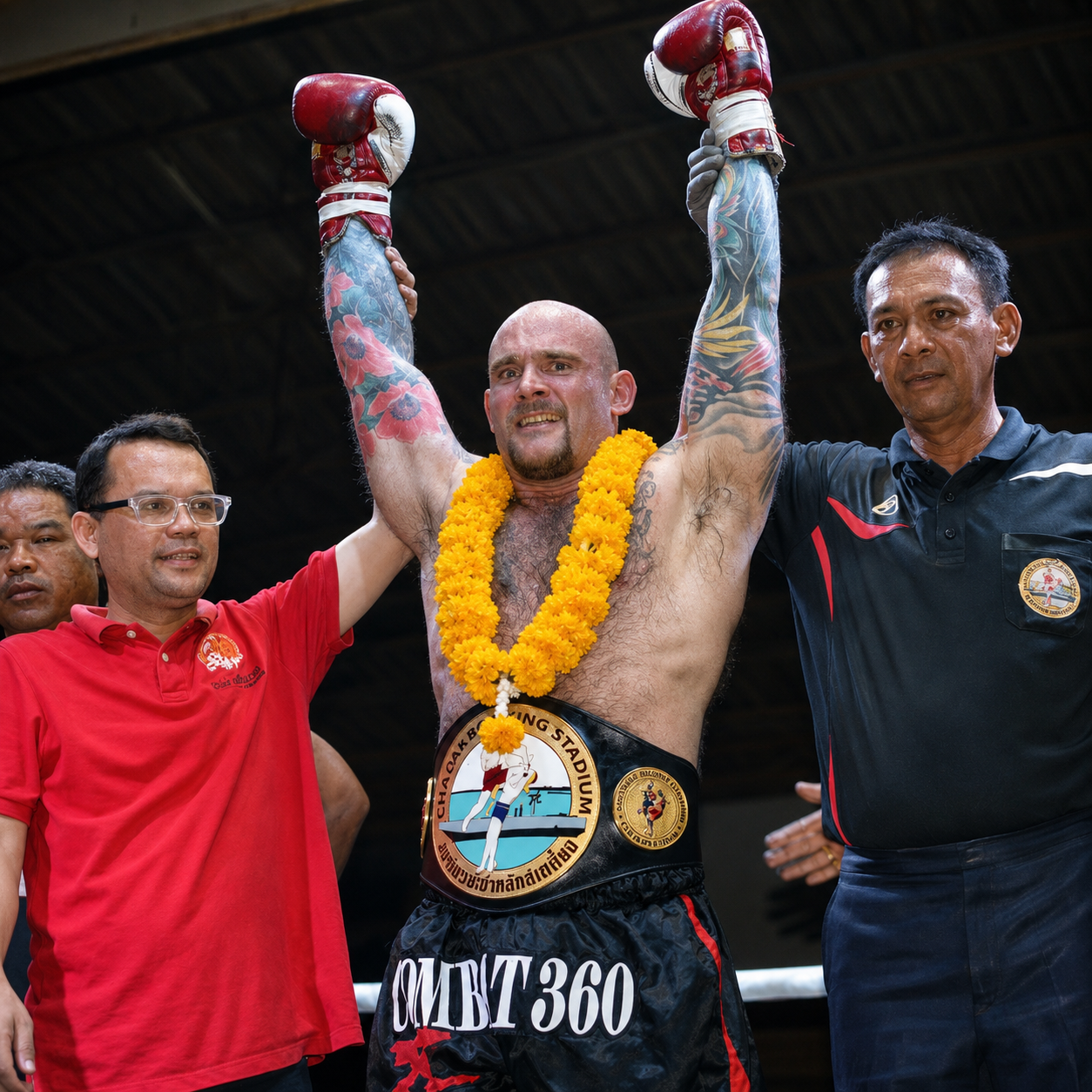

One of the biggest mistakes we see at Combat 360X isn't poor technique or a lack of fitness—it's trying to do too much, too soon.
It's completely understandable. You've travelled a long way, you've invested your time and money, and you want to squeeze every possible session into your stay. Many people arrive with the mindset that they need to train as hard as they possibly can from the very first day.
Ironically, that's often the fastest way to lose training time.
Your Body Is Adjusting to More Than Just Training
When you arrive in a new country, your body is adapting to much more than a new gym.
You're adjusting to a different climate, different food, different water, different sleep patterns, different bacteria and viruses in the environment, and often the effects of travel itself.
At the same time, intense exercise places temporary stress on the body. Hard training sessions create fatigue that requires energy and recovery to repair. If you combine heavy training with travel fatigue and environmental changes, you're asking your body to cope with multiple stressors all at once.
For many people, that's when illness starts to creep in.
A sore throat, an upset stomach, or simply feeling run down can quickly derail the very trip you've been looking forward to for months.
More Isn't Always Better
One of the biggest misconceptions is that every available session should be completed.
In reality, your body only improves when it has time to recover from the work you've already done.
If recovery can't keep up with the workload, performance starts to decline instead of improve.
You become slower.
You stop absorbing new skills.
Your reactions become less sharp.
Most importantly, your injury risk begins to climb.
Don't Let One Injury End Your Camp
Fatigue changes the way we move.
Technique becomes less precise, reactions slow down, and small mistakes become more common.
That's when ankles get rolled, shoulders become irritated, knees start to ache, and muscles get strained.
An injury during the first few days of your trip doesn't just affect one session—it can ruin the rest of your camp.
That's a high price to pay for trying to do too much, too early.
Ease Yourself Into Training
Unless you're already accustomed to the climate, environment, and training volume, there's absolutely nothing wrong with easing into your first week.
In fact, it's usually the smarter approach.
A simple guideline is:
Start with around half the available sessions during your first few days.
Pay attention to how your body is responding.
Prioritize sleep, hydration, and good nutrition.
Increase your training volume gradually as your body adapts.
By the second week, most people feel significantly more comfortable and are able to train much harder without feeling completely exhausted.
Listen to Your Body, Not Your Ego
There is a difference between pushing yourself and ignoring the warning signs your body is giving you.
Learning to recognise that difference is one of the most valuable skills any athlete can develop.
Sometimes the smartest decision is taking one session off so you can fully enjoy every session that follows.
At Combat 360X, we don't judge success by how exhausted you are at the end of the day.
We judge it by how much you've learned, how consistently you've trained, and whether you leave stronger, healthier, and more confident than when you arrived.
Because the goal isn't to survive your training camp.
The goal is to get the maximum benefit from every day you're here—and sometimes that starts by taking one step back before moving two steps forward.

Comments